How Salt Keeps Dental Problems Away: Natural Solutions for Oral Health
When it comes to maintaining oral hygiene, most people think of brushing their teeth and using mouthwash. However, one common household item—salt—can be a powerful ally in the fight against dental problems. Salt keeps dental problems away in a variety of ways, from its antibacterial properties to its ability to balance the pH levels in the mouth. In this article, we’ll explore how salt can help improve your dental health and reduce the risk of common oral issues.
The Antibacterial Benefits of Salt for Oral Health
Salt isn’t new to helping heal the mouth. People have gargled saltwater for ages, and for good reason: it naturally pushes away germs. When you salt a glass of warm water, the salt breaks apart and the mix becomes alkaline. That’s science-talk for less acid in your mouth. Without acid, germs find it harder to grab onto your teeth, making it a lot tougher for plaque, cavities, and gum disease to set up camp. A quick rinse now and then isn’t magic, but it’s pretty close to it.
Salt Water Rinses: A Simple Solution
Using salt for a quick boost to your oral health is as easy as rinsing with warm saltwater. Just stir a teaspoon of table salt into a glass of warm water, then swish it around your mouth for 30 seconds. This rinse works wonders, especially for sore gums or those annoying mouth ulcers. The warm saline solution calms inflammation, making everything feel better a lot faster.
But that’s not all. The salt does a good job of pushing back the bacteria that lead to plaque and gingivitis. While you rinse, it also washes away leftover bits of food, helping to keep cavities and decay away. It’s a small glass of magic you can mix up at home.
Balancing the pH Level in the Mouth
Keeping the right pH in your mouth is key to strong teeth and a happy smile. When your mouth turns too acidic, it eats away at the enamel and makes teeth sensitive. Swishing saltwater can help tip the scales back to a slightly alkaline state, guarding your enamel.
This rinse is especially helpful after snacking on acidic foods, like citrus or sipping sodas, that lower the mouth’s pH. Half a minute of saltwater can help you keep your smile strong after any meal, making it a daily must-do in your oral care routine.
Swishing salt water around your mouth not only feels fresh, but it also helps keep your mouth balanced and healthy. The salt work like a mineral reset button, bringing your mouth back to its ideal pH and protecting your enamel. And when the mouth is pH-neutral, the bad bacteria find it harder to settle in.
Salt is a keeper when it comes to saying goodbye to bad breath. That’s right; when those pesky germs meet salt, they have a harder time doing their odor-creating business. Saltiness naturally mops up the smells that bacteria produce. A quick rinse removes leftover germs and leftover food that cause the breath to flatline, and it kick-starts saliva, the mouth’s own rinse team, to wash everything down.
So the next time you have a salty glass waiting in your sink, grab it. Rinsing with salt water is a quick, simple, and wallet-friendly way to keep your mouth fresh and healthy all day.
Salt and Gum Health
Keeping your gums healthy is key to taking care of your whole mouth, and good ol’ salt can give you a hand. Salt is naturally anti-inflammatory, which means it can help bring down swelling and pain when your gums are red, tender, or bleeding. Just swishing with saltwater every now and then calms down sore spots and speeds up the healing process.
But saltwater is more than a soothing rinse. The brine also kicks bad bacteria to the curb. These troublesome germs cause gum diseases like gingivitis and periodontitis, which can leave you with bleeding gums, terrible breath, and the risk of losing teeth. A few simple saltwater swishes each week are often enough to keep the unwanted bacteria in check and your gums healthy.
Salt in Toothpaste: A Natural Alternative
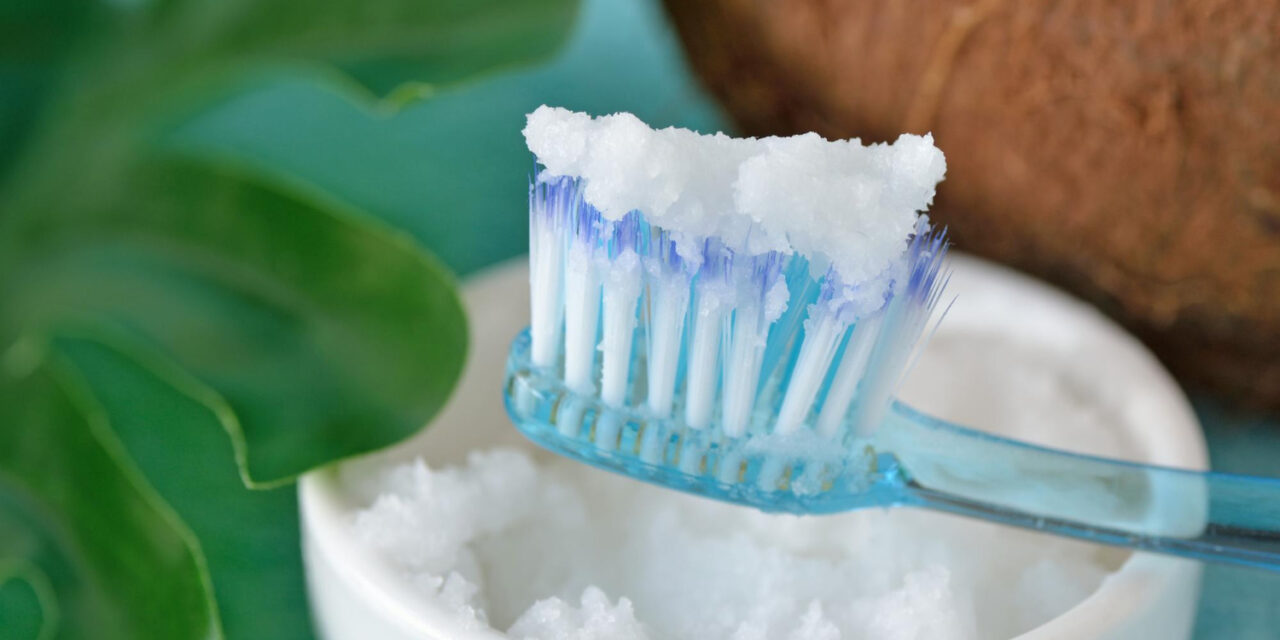
Beyond rinses, you can also find salt in many homemade toothpaste recipes. A little salt, mixed with baking soda and maybe some baking soda, makes a simple paste that can whiten teeth, lift away plaque, and help keep cavities at bay. Whether as a rinse or in paste form, salt is a tooth-friendly, natural ally worth adding to your routine.
Salt is an inexpensive, all-natural tooth scrub that freshens smiles every day. Its tiny crystals fit in the nooks of the enamel, loosening plaque and scrubbing away stains without scratching. When you mix it in a homemade toothpaste with things like activated charcoal or a drop of peppermint oil, you get a gentle yet powerful defense against the sneaky bugs that call your mouth home.
How to Use Salt When Mouth Sores Strike
Canker sores and cold sores know how to steal the spotlight with sharp, annoying pain. Saltwater to the rescue! Made with just water and honest salt, the rinse calms the angry, swollen spots and helps the tender tissue bounce back faster. Salt changes the mouth’s chemistry so that microbes can’t set up camp and slow down your recovery.
To brew your relief, stir a teaspoon of salt into a mug of warm water, swish the solution for a few seconds, and spit it out three to four times each day. You’ll notice a drop in pain and swelling—not to mention a mouth that heals in record time.
Salt as a Natural Remedy for Tooth Sensitivity
If you’ve ever winced from a sip of cold water, you know tooth sensitivity can really take a bite out of your day. Fortunately, a simple household ingredient may help ease the ache: salt. Salt encourages your teeth to heal by boosting the remineralization of the enamel. That’s the hard outer layer covering your teeth, and once it’s thinned, the nerves underneath get a little too much exposure to temperature changes.
Rinsing with warm saltwater can help. Just a scoop dissolved in a glass of water delivers the minerals your enamel craves. When you swish the mixture for a minute or two daily, you strengthen the enamel and keep the nerves from tangling with everything cold, hot, or sweet. Over time, the relief can be real, and so can the extra layer of protection against daily wear and tear.
Salt and Its Role in Whitening Teeth
Besides easing sensitivity, salt can also refresh the sparkle of your smile. While you won’t walk out of the bathroom with the brightness of a dentist’s chair treatment, a little salt can gradually lift surface stains. Its slight texture works like a gentle scrub, letting you polish away the dullness that comes from daily coffee, tea, and the occasional late-night snack.
Simply mix a half teaspoon of salt with your regular toothpaste now and then or dip a wet brush right in. The key is consistency: over a few weeks, the stains fade, and yes, your smile feels noticeably brighter. So whether your teeth need a little relief from the chill, or a little lift from the daily grind, salt is a simple, affordable ally right in your kitchen.
While salt can whiten your teeth naturally, too much scrubbing can wear down your enamel. Use salt sparingly, and if you feel uncertain, your best bet is to ask your dentist how much is safe for you.
How to Use Salt for Dental Care
Now that you know how salt can help keep dental problems away, it’s important to understand the proper way to use salt for dental care. Here are some simple ways to incorporate salt into your oral hygiene routine:
-
Saltwater Rinse: Mix one teaspoon of salt in a glass of warm water. Swish the solution around your mouth for 30 seconds and spit it out. This can be done once or twice a day, especially after meals.
-
Salt and Baking Soda Toothpaste: Combine a pinch of salt with baking soda and use this mixture as a natural toothpaste. Brush your teeth with this mixture for two minutes, then rinse with water.
-
Salt for Mouth Sores: Dissolve salt in warm water and use it as a rinse to soothe mouth sores. You can also apply the salt directly to the sore for more localized relief.
-
Salt and Essential Oils: Mix salt with a few drops of essential oils like peppermint or tea tree oil. These oils have additional antibacterial properties that can enhance the benefits of salt.
Conclusion
In conclusion, salt keeps dental problems away by offering a natural, affordable, and effective solution for a variety of oral health issues. From its antibacterial benefits to its ability to promote gum health, salt is a powerful tool in maintaining a healthy mouth. Whether used in saltwater rinses, homemade toothpaste, or for healing mouth sores, salt is a versatile addition to any oral hygiene routine. So, the next time you’re looking for a simple way to improve your dental health, reach for salt—it’s a natural solution that can make a big difference.